Seasonal Damage Patterns and Repair Methods
Flooring Repairs in Smiths Station for damage from freeze-thaw cycles and humidity movement
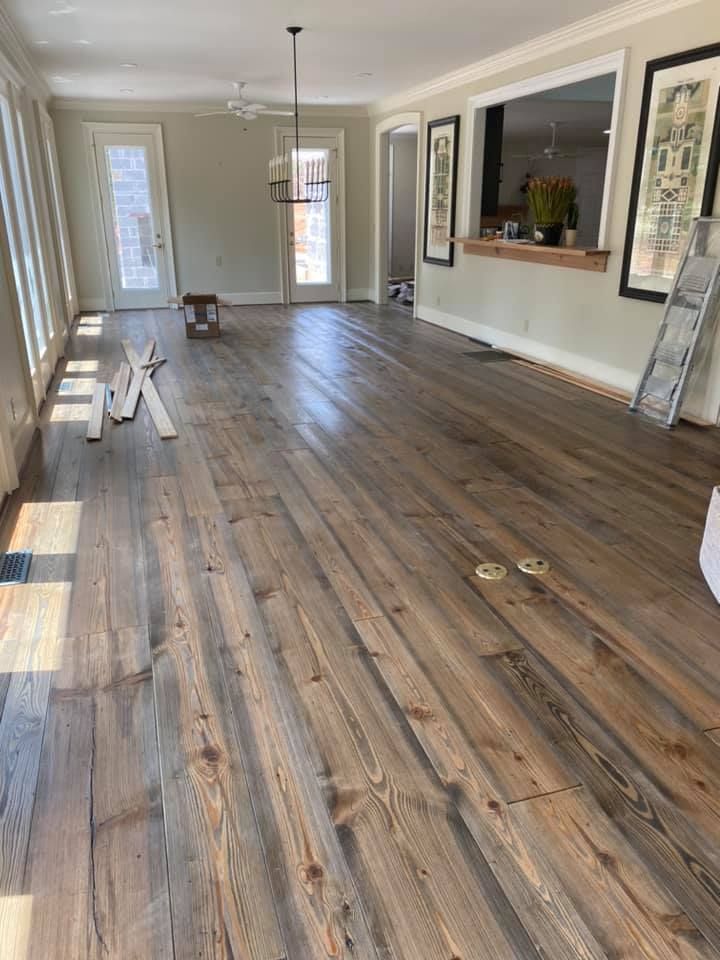
Flooring damage shows up as gaps that widen in winter, boards that lift or cup during humid months, or scratches and gouges from furniture or dropped items. Happy Dayz Flooring repairs these issues by matching replacement materials to existing floors and assessing surrounding areas for failure patterns that indicate broader problems. Alabama's seasonal temperature swings and humidity changes create specific types of flooring movement—expansion during summer moisture, contraction during winter dry periods, and surface damage accelerated by the climate's effect on material stability.
Repair work addresses visible damage while evaluating what caused the failure. Gaps between boards might indicate normal seasonal movement or subfloor shifting that requires structural attention. Lifted edges or cupping suggests moisture infiltration from below, common in Alabama properties with red clay soil exposure. Material matching involves sourcing products that blend with your existing floor finish, grain pattern, and wear level—work that requires knowing where to find discontinued materials or how to blend newer products into aged installations.
Arrange an on-site evaluation to assess damage extent and surrounding area condition.
How Flooring Repairs Address Seasonal Movement
The repair process examines damaged sections and the surrounding floor area to identify patterns that indicate broader issues. A single damaged board might require straightforward replacement, while multiple areas showing similar failure suggest moisture problems or installation issues affecting larger sections. Material sourcing locates products that match your floor's current appearance rather than its original new condition, creating repairs that blend visually once complete.
You notice repaired areas match the surrounding floor in color, finish sheen, and board width after work completes. Gaps close, lifted sections lie flat, and damaged boards integrate seamlessly with adjacent materials. The floor surface becomes consistent again without the visual interruption of mismatched repairs or the trip hazards created by lifted edges and uneven transitions. Seasonal movement continues normally, but repaired sections no longer separate or lift beyond typical expansion patterns.
Repairs include finish matching and blending work that makes new materials age into the existing floor appearance. The assessment identifies whether damage stems from isolated incidents or patterns requiring attention beyond simple board replacement. With 47 years of flooring experience, we tell property owners what the damage indicates about their floor system's overall condition rather than just replacing visible problem areas without explaining underlying causes.
Answers to Frequent Service Questions
Property owners facing flooring damage typically ask about material matching, repair extent, and what the damage indicates about their floor's overall condition.
Why do Alabama's freeze-thaw cycles damage floors?
Temperature swings between freezing nights and warm days cause flooring materials to expand and contract repeatedly, stressing joints and creating gaps or lifted edges that worsen with each seasonal cycle.
How do you match existing flooring materials?
Matching involves sourcing products from the original manufacturer when possible, or blending newer materials through staining and finish techniques that match grain patterns, color, and wear level visible in your current floor.
What does cupping or lifting indicate?
Lifted edges or cupped boards typically signal moisture infiltration from below, common in Smiths Station properties where Alabama's red clay retains water against foundation perimeters and creates humidity exposure that warps flooring materials.
What's included in the surrounding area assessment?
Evaluation examines boards adjacent to visible damage for early failure signs, checks subfloor condition beneath damaged sections, and identifies patterns suggesting broader moisture or structural issues.
When should I repair rather than replace?
Repairs work when damage is isolated and surrounding materials remain structurally sound, while widespread issues affecting multiple areas or rooms typically require broader replacement to address underlying problems causing repeated failures.
Happy Dayz Flooring has matched and repaired flooring materials across all product types since 1978, with expertise in Alabama's climate-related damage patterns and seamless material integration. Schedule a repair assessment by calling (334) 540-4326 for a straightforward evaluation of what your flooring damage indicates and which approach—repair or replacement—makes sense for your specific situation.